
Green Policy Lab Summer School
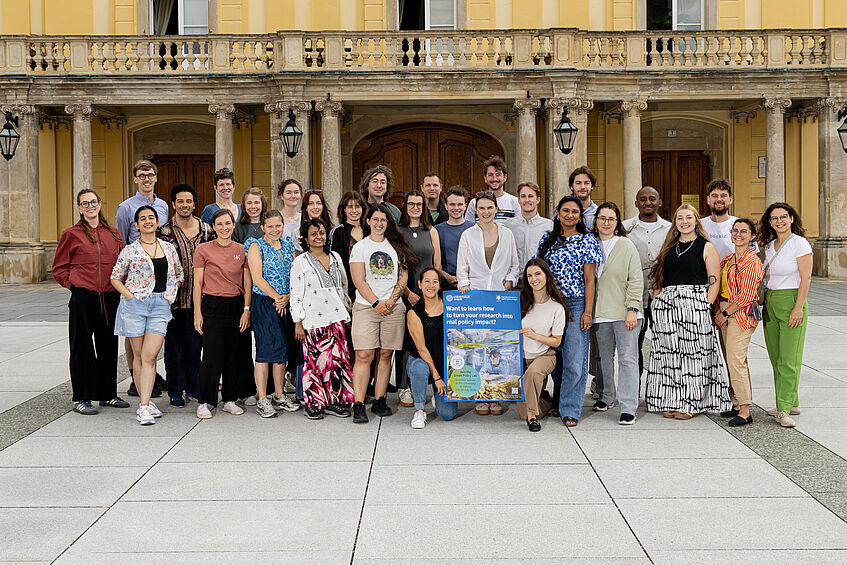
For five days in July – under the lead of Lene Topp – 29 doctoral students and postdoctoral researchers from across disciplines explored one central question:
How can researchers turn excellent science into meaningful, evidence-informed policy impact?
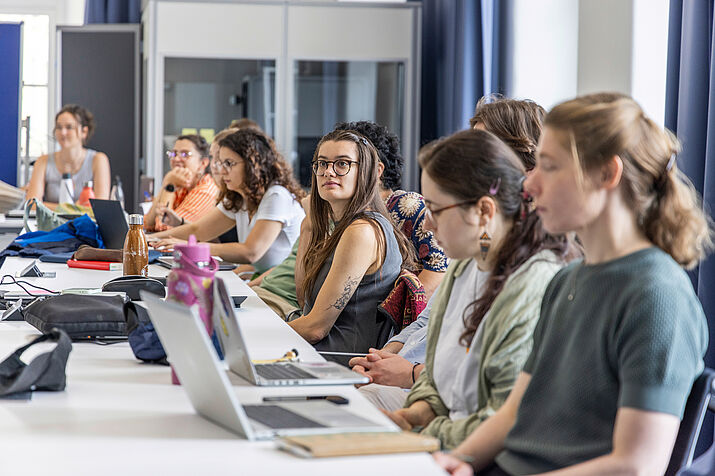
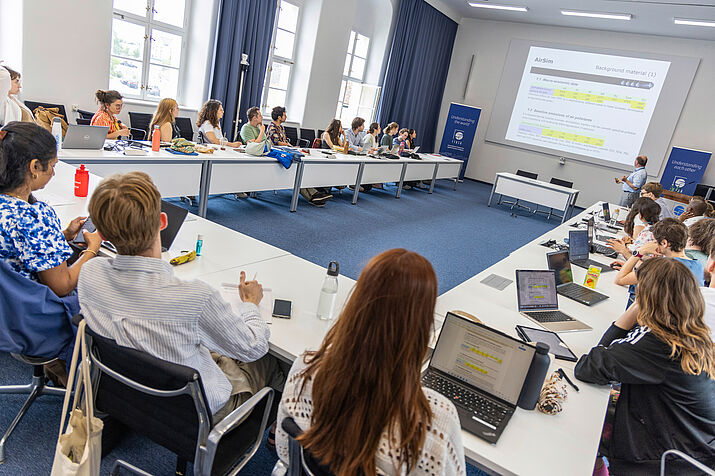
There was a rich mix of methods, including expert input, exercises, role-plays, group work and discussion, and daily reflections. Numerous external experts contributed perspectives from research, policymaking, and practice, ensuring different views on topics, case studies, and providing real-world insights.
“A very productive stepping stone into the world of Science and Policy.”
“Deep learning through practice with actionable items to apply immediately.”
©Semrad
- On the first day, after a formal introduction and an overview of the learning objectives, a “snowball fight” activity helped participants get to know one another. Thomas König then delivered a keynote on evidence-informed policymaking. Then a simulation game helped students grasp the challenges of working at the science–policy interface.
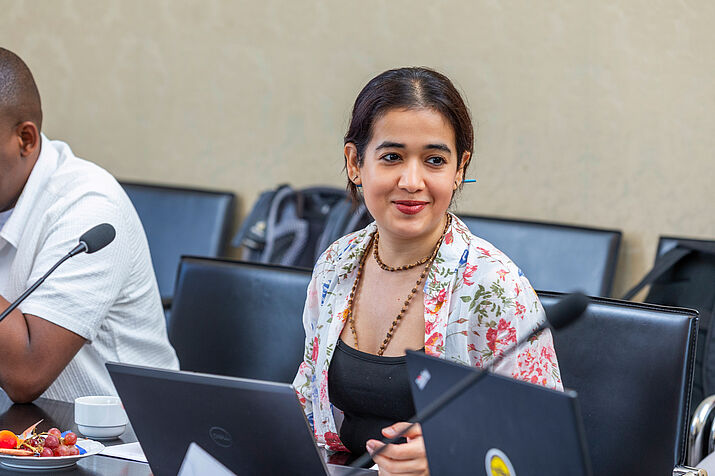
- The second day compromised of a variety of expert input. In the morning three of them were giving engaging and insightful talks: Sasha Ruhland discussed Europe’s Green Deal and missions-oriented policies; Mattia Bonfanti shed light on working life at a think tank; and Chloe Hill concluded with a deep dive into how the European Geosciences Union (EGU) works with researchers to inform policy at the EU level. This was followed by a fishbowl discussion, allowing participants to dive more deeply into each speaker’s area of expertise. In the afternoon, the focus shifted to bridging the gap between science and policy, with emphasis on the circle of control, influence, and concern. There was a panel with three policymakers—Julia Prikoszovits, Nora Mitterböck, and Simon Mühlbauer—who shared their insight on how researchers can contribute to more effective interaction at the science–policy interface.
“I really liked the fishbowl, because it allowed for more in depth discussions with the presenters.”
“The panel of policy makers was interesting as we never get the chance to listen to real policy makers and hear how they think and their experiences”
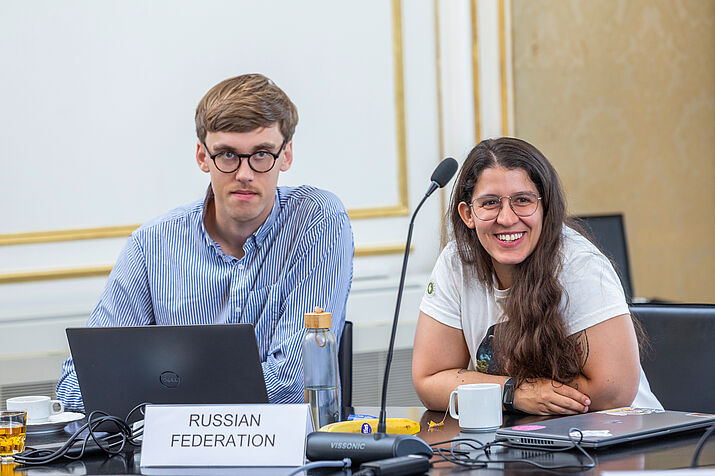
- The third day took place at the International Institute for Applied Systems Analysis (IIASA) in Laxenburg. The morning was entirely devoted to the Negotiation Simulation Game. The participants were divided into two groups. Each group consisted of the European Commission, the chair and the secretary, as well as various countries that had to negotiate emission reduction. The day concluded with a researcher panel discussion: Elisa Caliari (IIASA), Arne Langelet-Uranüs (University of Vienna), and Simon Fellinger (University of Vienna) outlined what it takes for researchers to increase the uptake and use of their work by policymakers. A brief debrief consolidated the day’s key takeaways.
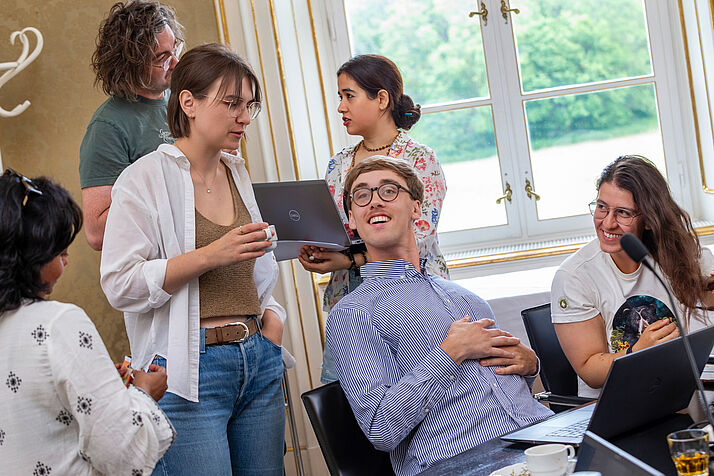
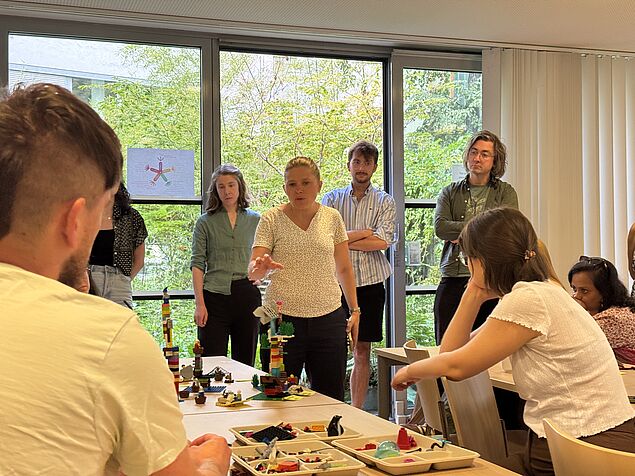
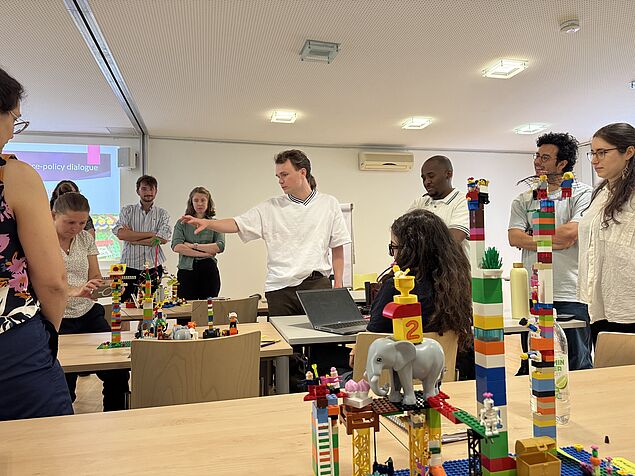
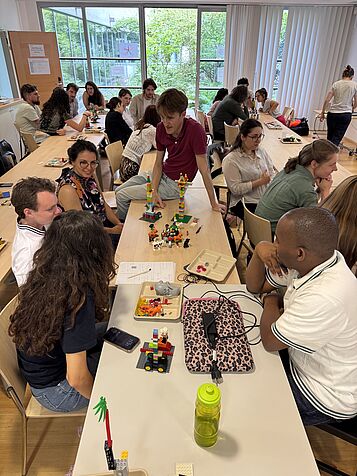
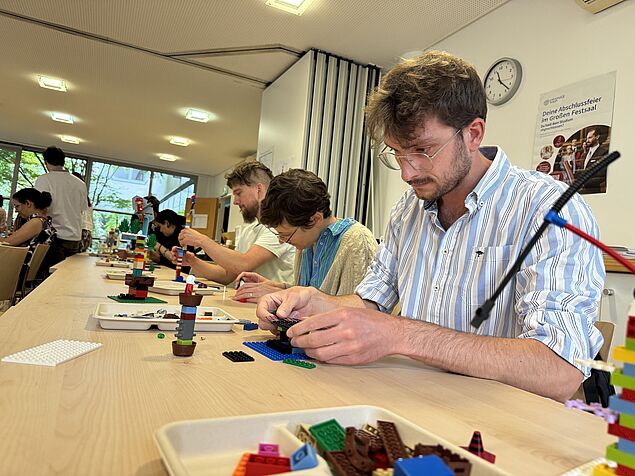
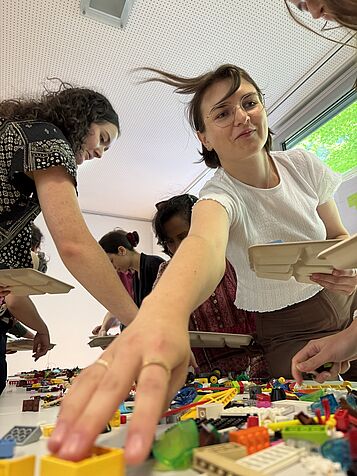
- On the fourth day, the main topic was communication. Using LEGO® Serious Play®—a facilitated method in which participants use LEGO bricks to model ideas, spark reflection, and build shared understanding—they reflected on what an effective science-policy looks like and how they can contribute. The rest of the day, they focused on pitching at the science–policy interface, beginning with audience analysis. Further, they developed key messages and storylines, culminating in short and compelling group presentations (elevator pitches).
We rounded off the day with an evening visit to a Heuriger, which also provided an opportunity for informal exchange.
- On the final day, the participants applied the week’s learning to draft their own policy briefs together in small groups. Barbara Prainsack closed the expert programme by sharing captivating insights from her work, discussing integrity in science advice, and outlining key principles and challenges.
The overall highly positive feedback showed, that the participants benefited greatly from this summer school. They praised the relevance of the content, the balance between expert insights and practical application, and the facilitation led by Lene Topp.
“Everything was better than I expected! This was extremely valuable and life changing. I felt like this experience confirmed that I’m meant to work in this field. I can’t wait to apply the things I learned immediately. There are so many actionable things I learned!“
“I loved the mixture of theory with practical and interactive sessions. The theory was short enough to not lose focus and the interaction kept things engaging. The mixture of Lene and guest speakers was also really nice to hear different perspectives on people actually working at the S4P interface”
The organizing team extends sincere thanks to Lene Topp for her leadership, to the many external experts for their invaluable contributions, and to all participants for their outstanding motivation and active engagement. Their commitment made the Green Policy Lab Summer School both impactful and memorable.

©Semrad
©Semrad
©Semrad
©Semrad
©Semrad
©Semrad
©Luise Scheiber
©Luise Scheiber
©Luise Scheiber
©Luise Scheiber
©Luise Scheiber